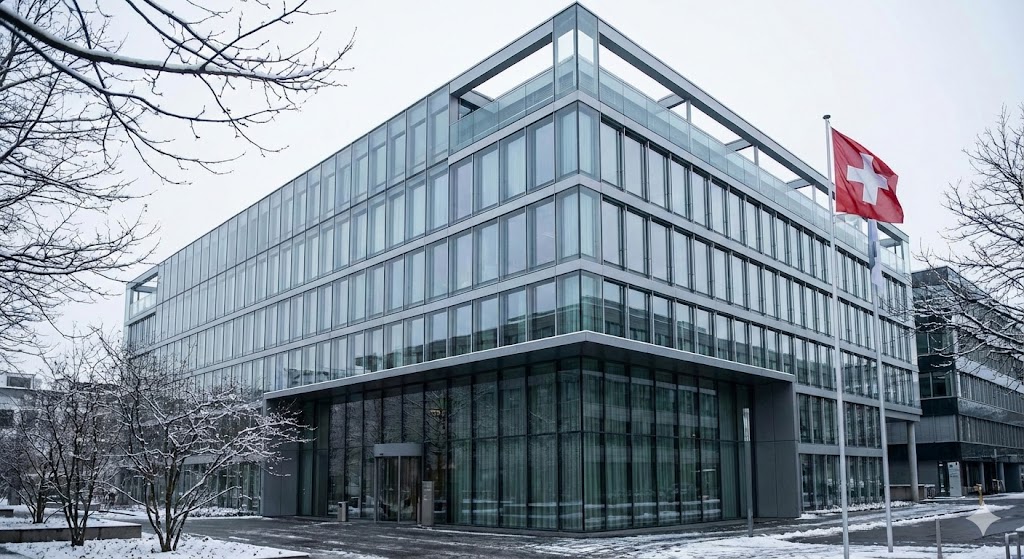

ST. GALLEN, SWITZERLAND — The newly formed insurance giant Helvetia Baloise Holding AG has announced plans to reduce its workforce by approximately 2,600 positions over the next few years. The decision follows the completion of the massive merger between Helvetia and Baloise earlier this month, a move designed to create Switzerland’s largest all-lines insurer. Management cited the need to capture “synergies” and accelerate the company’s shift toward digital automation as the primary drivers for the cuts. Business Insurance reported the restructuring plan shortly after the deal closed.
Key Facts
- 2,600 positions will be eliminated, representing a significant portion of the combined entity’s workforce.
- The cuts are linked to the integration of back-office functions and the deployment of AI-driven platforms like the “Edi” expense management system.
- Source: Business Insurance | Additional reporting: Intellizence
The Cost of Consolidation
The merger, finalized on December 5, 2025, brought together two of Switzerland’s oldest financial institutions. While the deal was pitched to shareholders as a strategy to dominate the European market, the human cost is now becoming clear. Duplicate roles in administration, IT, and claims processing are being targeted. The company aims to “consistently exploit synergies,” a corporate phrase that often translates to removing overlapping jobs. By combining resources, the new entity plans to handle a larger volume of policies with fewer staff members.
Digitization Drives Cuts
Beyond simple redundancy, Helvetia Baloise is heavily investing in technology to replace manual work. The company has already seen success with its “Edi” system, an AI-first solution that automates employee expense reporting and compliance checks. This type of “digitization” is reshaping the insurance sector, where algorithms are increasingly capable of handling tasks that once required armies of clerks—from sorting mail to assessing simple claims. Industry analysts at Challenger, Gray & Christmas have noted that the insurance sector is becoming a leading adopter of such labor-saving tools in late 2025.
Regional Impact
The reductions will likely be felt most acutely at the company’s headquarters in St. Gallen and Basel, as well as in its wider European operations across Germany and Spain. While the cuts will be spread out over several years, the announcement casts a shadow over the Swiss financial sector, which is grappling with a rapid transition from traditional banking and insurance models to lean, tech-first operations.
What counts as an AI layoff?
We track reductions driven by direct AI replacement of tasks, structural efficiency from automation eliminating layers, or market shifts toward algorithmic models. Learn more →

Bill covers the latest developments in Ai-driven workforce changes and corporate restructuring for Ai-Layoffs.com.
View ProfileYou May Also Like

Helvetia Baloise AI layoff tracker: 2,600 jobs affected
Helvetia Baloise AI layoff tracker: 2,600 jobs affected
Helvetia Baloise AI layoff tracker: 2,600 jobs affected